
How Deep Does Stump Grinding Actually Go? (And What to Do with the Woodchips)
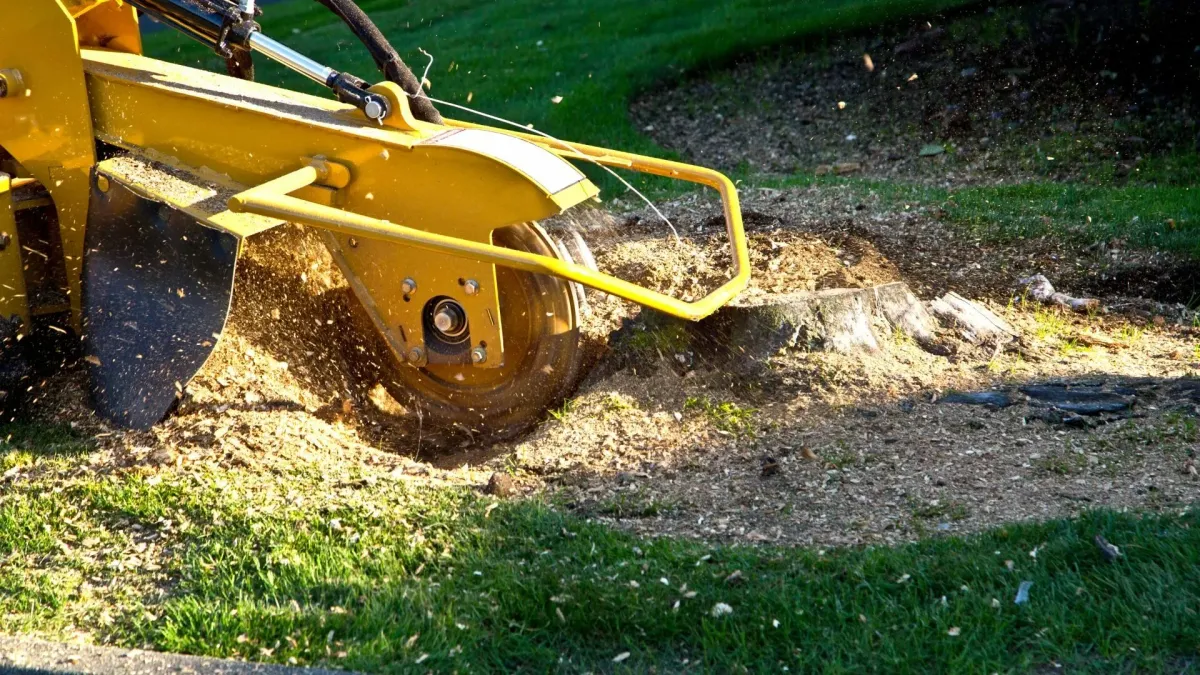
That stump has been catching your mower blade for three summers. Stump grinding can make it disappear, but how deep does it really go?
It is a fair question. You are about to pay someone to chew up a piece of your yard, and you want to know what you will get. Will the roots be gone? Can you plant grass there? What happens to the pile of chips left behind?
Let's answer all of it, plainly, so you know exactly what to expect.
The Short Answer: How Deep Does Stump Grinding Go?
Most stump grinding removes the stump to about 4 to 12 inches below ground level, depending on the job and what you plan to do afterward. A common range for a typical yard is around 6 inches, which is enough to let you cover the spot with soil and grow grass.
That said, there is no single universal depth. The right depth depends on your goal, the size of the stump, the type of tree, and what is underneath. A crew will usually ask what you plan to put there and adjust accordingly.
Here is a simple guide to how depth changes with the plan.
Your Goal
Typical Grinding Depth
Re-seed or lay sod over the spot
About 4 to 6 inches
Plant flowers, shrubs, or a garden bed
About 6 to 10 inches
Plant a new tree in or near the same spot
About 10 to 12 inches or deeper, or choose a nearby spot
Build a patio, shed, or structure
Deeper, based on the plan and local requirements
Treat these numbers as general guidelines, not promises. Your tree care professional can tell you what makes sense for your stump.
What Stump Grinding Actually Does Below the Surface
A stump grinder is a machine with a large rotating cutting wheel studded with sharp carbide teeth. The operator lowers the spinning wheel onto the stump and swings it slowly from side to side, shaving the wood into chips. Then the operator lowers it a little more and repeats, working down layer by layer until the stump is ground below the surface.
The grinder also works outward, cutting the thick surface roots that flare out from the base of the trunk. This is where the "how deep" question gets interesting, because a stump is only the visible part of a much larger root system.
The roots do not all disappear
Here is a common misunderstanding. Stump grinding removes the stump and the upper part of the root flare. It does not dig out the entire root system. Large roots can extend well beyond the stump, and many run deeper than a grinder can reach.
The remaining roots break down slowly over time, usually a few years, depending on the tree species, moisture, and soil. For most homeowners, this is fine. Buried roots are out of sight and generally harmless once the tree is dead. But if you plan to build or install something large over the area, tell your contractor so they can plan for it.
Why not just dig the whole thing out?
Full stump removal means digging out the stump and as much root as possible, usually with heavy equipment. It leaves a large hole and a lot of disturbed soil, and it can damage lawns, sprinklers, and nearby plants. Grinding is typically faster, less invasive, and less expensive, which is why it is the most common method for yards.
What Decides How Deep a Stump Can Be Ground?
Several factors affect how far down a crew can go.
Stump size. A thick stump with a wide base takes more time and may need more passes. Very large stumps can mean more depth, more chips, and a longer job.
Tree species. Hardwoods such as oak are dense and tough on the teeth. Softer woods grind more quickly. Some species also send up suckers or sprouts from remaining roots, which may need follow-up.
Soil, rocks, and obstacles. Rocks, buried metal, old fence wire, or nails embedded in the wood can dull or damage the teeth, and can be dangerous when flung by the machine. Operators grind carefully around these, and sometimes stop short.
Underground utilities. This one matters a lot. Gas, water, electric, and irrigation lines can run closer to the surface than you might think. Before any grinding begins, you should have underground utilities marked. In the United States, you can call 811 for this service, and other places have similar utility locating programs. A reputable company will either do this or ask you to.
Site access. Tight gates, steep slopes, and wet or soft ground can limit what equipment can reach. Smaller grinders can fit through narrow spaces but may not go as deep as larger machines.
Stump Grinding vs. Other Removal Options
Grinding is popular, but it is not your only choice. Here is how the main alternatives compare.
Full excavation. Removes most of the stump and roots, but is more disruptive and costly. Best when you need the ground completely cleared for construction.
Chemical stump removers. These products speed up decay, but the process can take weeks or months, and the results are inconsistent. They can also be a concern around pets, kids, and nearby plants.
Natural decay. You do nothing and let nature take its course. It is free, but it can take many years, and the stump can attract pests and fungi in the meantime.
Burning. This is risky and often restricted by local rules. It is generally not recommended for residential yards.
For most homeowners who want the stump gone quickly with minimal damage, grinding offers the best balance.
What Happens to the Woodchips After Stump Grinding?
After the grinder finishes, you are left with a mound of chips and sawdust mixed with some soil. It is often more material than you expect, because ground wood takes up more space than solid wood. A big stump can leave a substantial pile.
So what should you do with it? You have several good options.
Option 1: Use it to fill the hole
Many crews will push some of the chips back into the hole. This works for a quick fix, but be aware that chips settle and decompose over time, so the spot may sink. If you plan to grow grass, it is better to remove most of the chips and replace them with topsoil.
Option 2: Spread it as mulch
Woodchips make excellent mulch for garden beds, around trees and shrubs, and along pathways. Mulch holds moisture, blocks weeds, and protects roots from temperature swings.
A couple of tips will help. Spread chips on the surface instead of mixing them into the soil, because fresh wood can temporarily pull nitrogen from the soil as it breaks down. And keep mulch a few inches away from the trunks of living plants, since piling it against bark can cause rot.
Option 3: Compost it
Woodchips are a "brown" material in composting, meaning they are rich in carbon. Mix them with "green" materials, such as grass clippings and kitchen scraps, to balance the pile. They break down slowly, but they add useful structure and airflow to compost.
Option 4: Make pathways and play areas
Chips are a budget-friendly way to cover garden paths, dog runs, or informal walkways. Use them where you want a soft, natural surface. Avoid using chips from treated or diseased wood for anything that people, pets, or edible plants will touch.
Option 5: Have them hauled away
If you do not want the chips, most tree service companies can remove them, sometimes for an added fee. This is a good choice if the pile is huge, if the tree was diseased, or if you just want a clean finish.
Option 6: Share or donate them
Neighbors, community gardens, and local gardeners often welcome free woodchips. It is worth asking around before you throw them out.
A few cautions about chips
Not every chip belongs everywhere. Wood from a diseased tree, such as one affected by certain fungal diseases or pests, should be handled carefully. Ask your tree professional whether it is safe to reuse or whether it should be disposed of.
Also, chips from black walnut can inhibit the growth of some plants, so be thoughtful about using them near vegetable gardens and sensitive plants. And fresh chips mixed in with soil can tie up nitrogen for a while, which is why surface mulching is usually better than digging them in.
How to Prepare Your Yard Before Stump Grinding
A little preparation makes the job smoother and safer.
Mark utilities. Have underground lines located before work begins.
Clear the area. Move patio furniture, toys, and plants from around the stump.
Check for hazards. Remove loose wire, stakes, or garden ornaments near the base. Tell the crew about any buried items you know of.
Provide access. Make sure the crew can get equipment through gates or paths.
Plan what comes next. Decide whether you want to seed, plant, or leave the area alone, so the crew can set the right depth.
Sending photos of the stump and the surrounding yard can also help your provider give a more accurate estimate.
What to Do After Stump Grinding
Once the stump is gone, you have a few easy steps to restore the spot.
If you plan to grow grass, remove most of the chips, fill the hole with good topsoil, tamp it down gently, and add seed or sod. Water regularly until the new grass takes hold. Expect some settling, and top off with more soil if the area sinks.
If you plan to plant a shrub or flowers, remove the chips from the planting area and mix in fresh soil and compost. If you want to plant another tree, it is usually wise to choose a spot a few feet away from the old one, since decaying roots and chips can affect the new planting.
Keep an eye out for sprouts. Some species send up new shoots from leftover roots. Cut them back as they appear, and they will eventually stop.
Getting Rid of the Stump and Making the Most of What Is Left
Stump grinding goes deep enough to clear the way for lawn, garden, or landscaping, but it does not remove every root. The right depth depends on your plans, and the woodchips left behind can become mulch, compost, or pathways if you handle them well. Plan ahead, check for utilities, and decide what you want the spot to become.
So the next time you're staring at an old stump you are tired of mowing around, reach out to J. Medina’s Tree Service. We provide professional stump grinding, backed by a team of experts that have spent years helping homeowners reclaim their yards. Call (630) 405-8809 or visit https://jmedinastreeservice.com/stump-grinding to learn more about how we can help you.
Frequently Asked Questions
How deep is a stump usually ground?
Most stumps are ground about 4 to 12 inches below the surface. Shallower depths work for grass, while deeper cuts suit new plantings or construction.
Does stump grinding remove all the roots?
No. It removes the stump and the upper portion of the roots near the base. The rest remain underground and decay over several years, which is usually harmless in a typical yard.
Can I plant grass right after stump grinding?
Yes, in most cases. Remove most of the chips, fill with topsoil, and seed or lay sod. Expect some settling and top off as needed while the area stabilizes.
Are stump grinding woodchips good for mulch?
Yes, when used on the surface of garden beds and paths. Keep mulch away from trunks and avoid mixing fresh chips into soil. Do not reuse chips from diseased trees without advice.
How long does stump grinding take?
Most residential stumps take less than a few hours, depending on size, wood type, and access. Large stumps or multiple stumps may take longer, and cleanup adds time.

J. Medina’s Tree Service has served Montgomery and surrounding areas for over 20 years, bringing practical experience and professional equipment to tree work of all sizes.
Contact
Phone:
(630) 405-8809
Email:
[email protected]
Service Areas:
Serving the greater metropolitan area with rapid emergency response.


